|
History
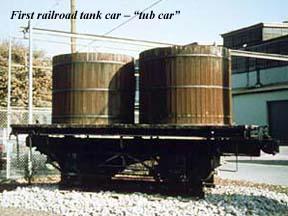 Charles
P. Hatch of the Empire Transportation Company invented the rail tank
car in 1865. It was a flat car with wooden banded tubes mounted on top,
capable of carrying 3,500 gallons of crude oil on the Oil Creek and Warren
and Franklin Railroads in Pennsylvania. Another inventor, Amos Densmore,
built
similar cars around the same time for the Atlantic & Great Western
Railroad. Charles
P. Hatch of the Empire Transportation Company invented the rail tank
car in 1865. It was a flat car with wooden banded tubes mounted on top,
capable of carrying 3,500 gallons of crude oil on the Oil Creek and Warren
and Franklin Railroads in Pennsylvania. Another inventor, Amos Densmore,
built
similar cars around the same time for the Atlantic & Great Western
Railroad.
Shortly after that, railroads switched to larger wooden tanks mounted
horizontally. Saddles bolted to flat cars gave the basic look of tanks
cars used by the industry ever since. Empire Transportation Co. built
the first metal tank cars in 1869. Mounted directly into wooden frames
instead of flat cars, these heavy iron cars solved the problem of leaking
wooden tanks and improved safety. As steel technology improved, steel
replaced wrought iron making for lighter, but stronger tanks. These and
later design improvements had a common goal - to increase transportation
safety and efficiency.
Time line
- 1865 - Wooden cars used for the first time to serve the oil fields
of Pennsylvania.
- 1869 - Cast iron replaces wooden tanks. Capacity was about 3,500
gallons per car. The railroads have about 52,000 miles of track and
it takes 8 days to go coast to coast on the new Transcontinental Railroad.
- 1888 - Tank car companies supply tank cars directly to the oil industry,
instead of the railroads. Capacities range from 6,000 gallons to 10,000
gallons.
- 1901 - Gushers at Spindletop in East Texas bring the Lone Star State
into the oil industry in a big way and help lead to development of
rail lines to serve the wells and refineries of Texas and Oklahoma.
- 1903 - The tank car industry develops safety standards for construction.
Now there are more than 10,000 tank cars in operation and over 260,000
miles of track.
- 1915 - A classification system is developed by the industry to ensure
the right use of the tank cars for the right products. Now 50,000 tank
cars serve the industry.
- 1920 - Welding technology replaces riveting in tank car construction,
enhancing the safety of cars. There are now over 400,000 miles of track
in the U.S.
- 1930 - Tank cars expand their use - 140,000 tank cars carry 103
commodities other than oil to market.
- 1940's - During World War II every tank car is used to transport
oil for the war effort.
- 1950 - Pipelines and trucks lighten the load of tanks on railroads.
|
|
Overview
Commodities shipped in tank cars are quite diversified.
- Standard cars: These accommodate corn syrup, plastic pellets and
resins, various kinds of oils, fertilizers, asphalt, petroleum, sulfur
- even tomato paste and beer! Options include steam coils, insulation
(for temperature control), linings and valves. Capacities range
from 8,000 to 30,000 gallons.
- Pressure cars: Special values permit the transportation carbon dioxixe,
chlorine, butane, liquefied petroleum gas (LPG) and anhydrous ammonia
- Acid cars: Special interior linings enable the transportation of
sulfuric acid, oleum, phosphoric acid, ferric chloride and hydrochloric
acid.
- Tank train: Interconnecting tank cars
provides shippers with a quick and cost-effective method of moving
large volumes of bulk liquids.
Tank cars range in length from 30 to 65 feet, but are limited by regulations
to a capacity of 34,500 gallons. An interesting variant is the "Funnel
Flow" tanker which is slightly sloped toward the middle from each end,
giving it a bent appearance, but allowing it to be drained by gravity.
The large number of commodities classified as hazardous has resulted
in regulations concerning tank car design and use. Included are structural
requirements and temperature regulation by insulation and heating coils.
Little of this is evident from the outside however, and the tank car
has, if anything, become even simpler and more elegant in appearance
over time.
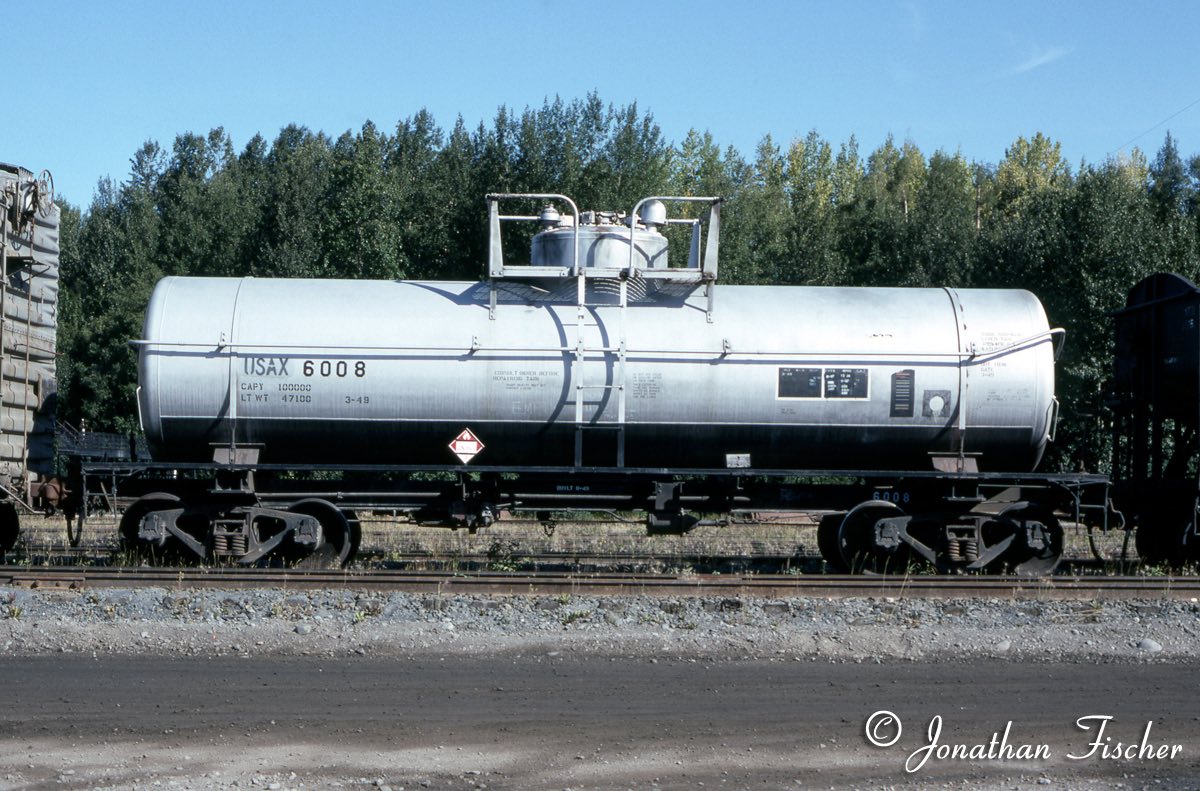
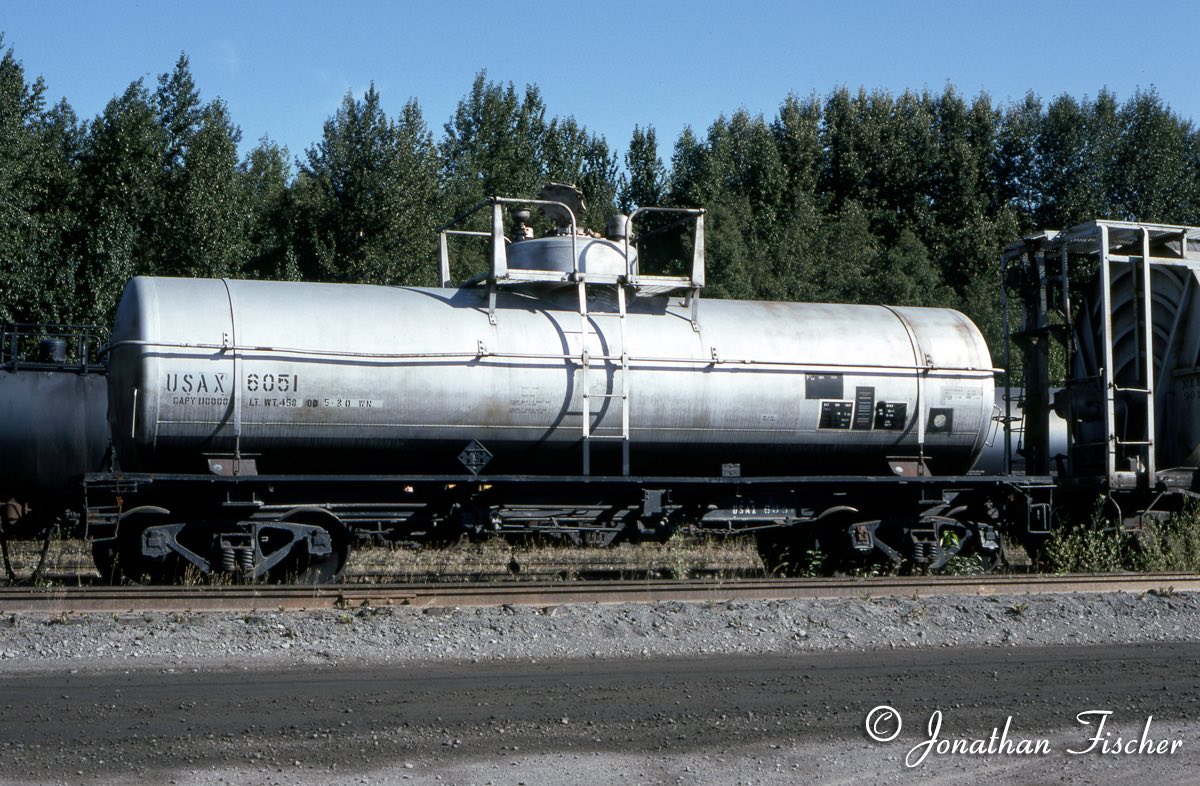
Tank cars can also be used for maintenance of way. This is the
case for numbers 97401-97403.
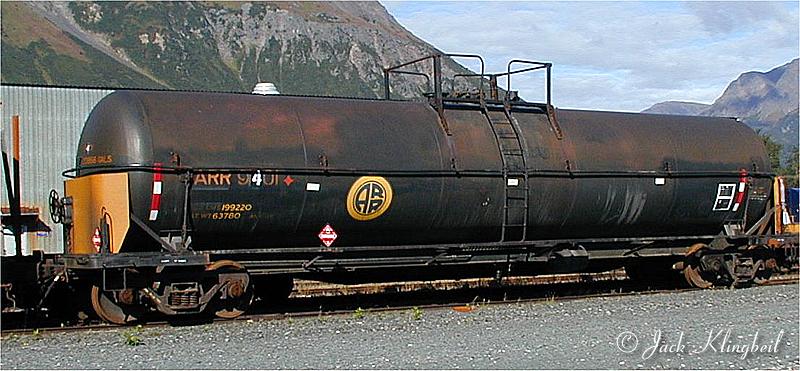
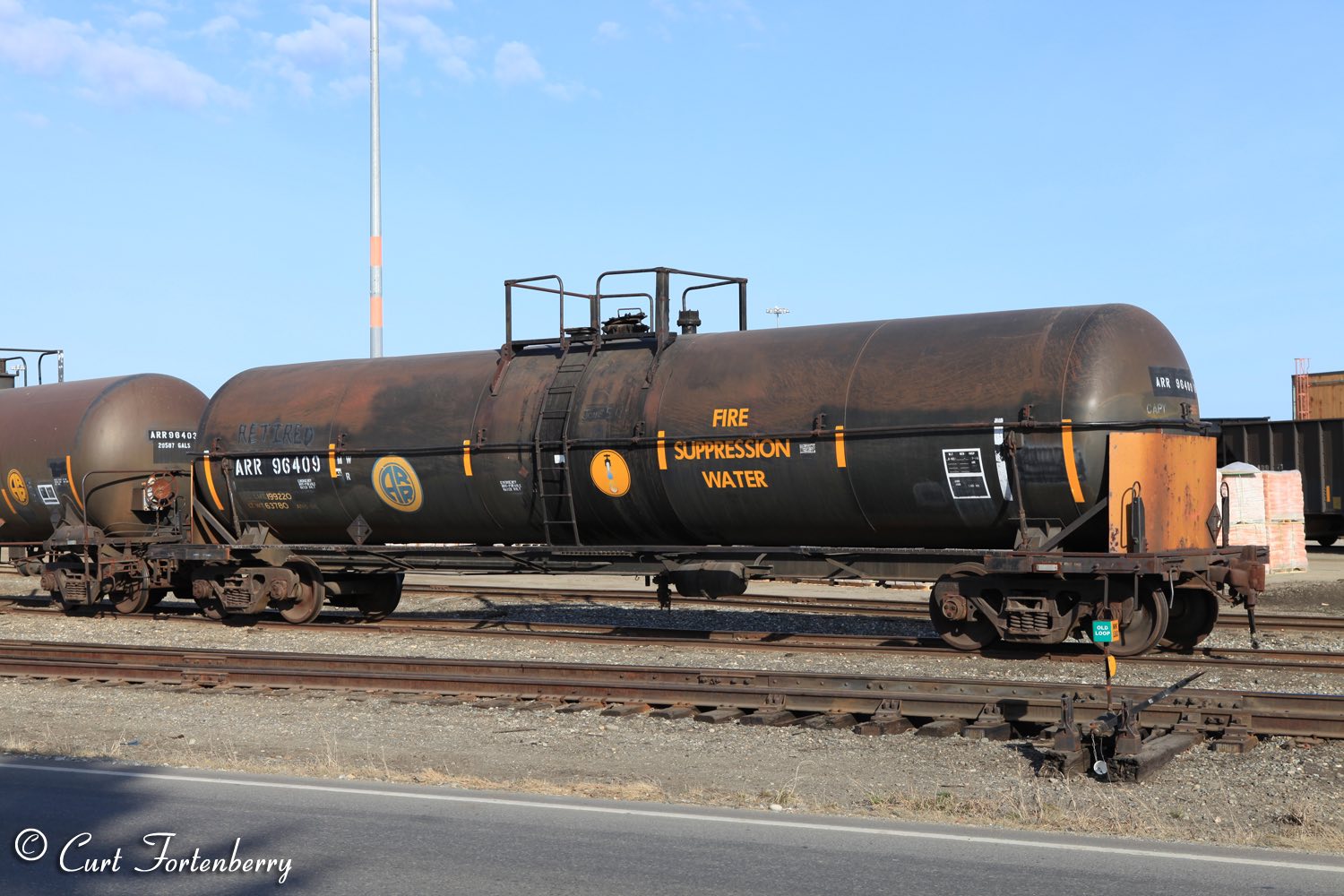
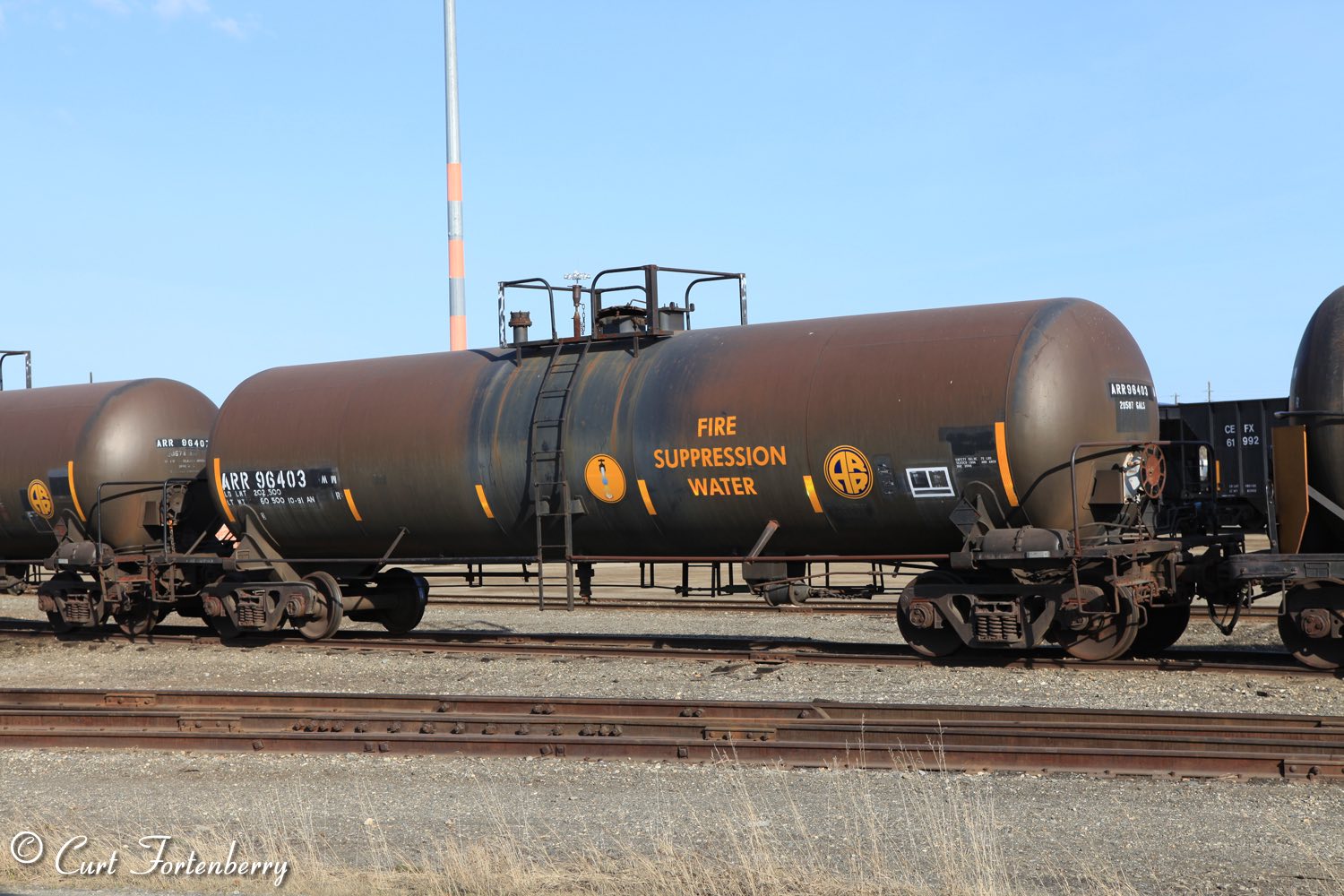
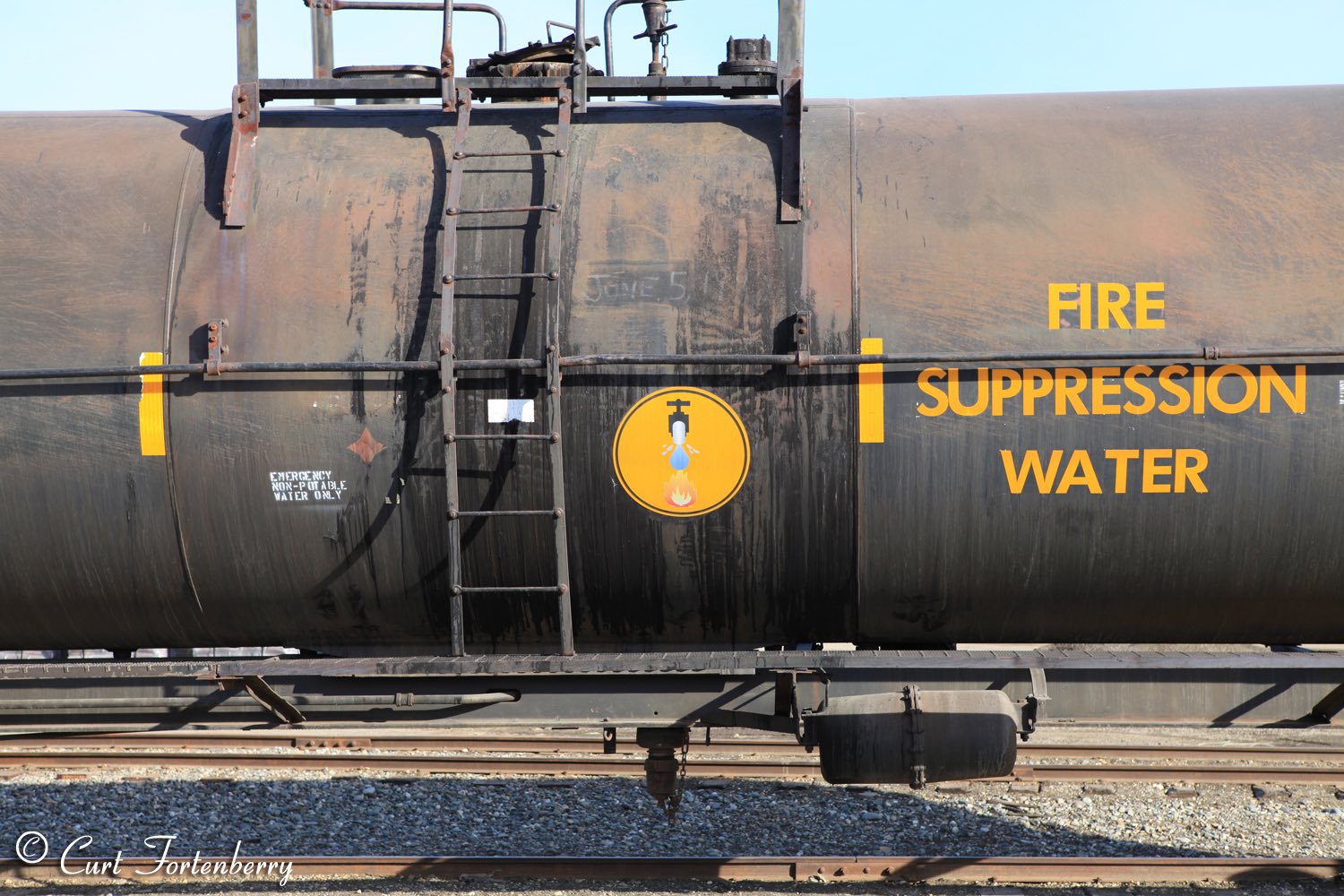
Tank cars can also be used for fire
suppression. As it turns out, the railroad owns nine of these. They
were old 9300-series revenue tanks that had expired on their Haz-Mat
certification and couldn't be used to haul fuel anymore. They were going
to be scrapped, but instead a deal was made with the state DEC and the
US Forest Service to rehab nine of them for water service. They were
steam cleaned, restencilled and given those pretty new logos. They are
filled with water here in Anchorage in the spring and distributed around
the railroad to be available in an emergency should there be a wildfire.
From south to north they are positioned as follows: Two at Moose Pass,
Two at Talkeetna, One at Hurricane, Two at Healy, and Two at Clear Site.
August 2008
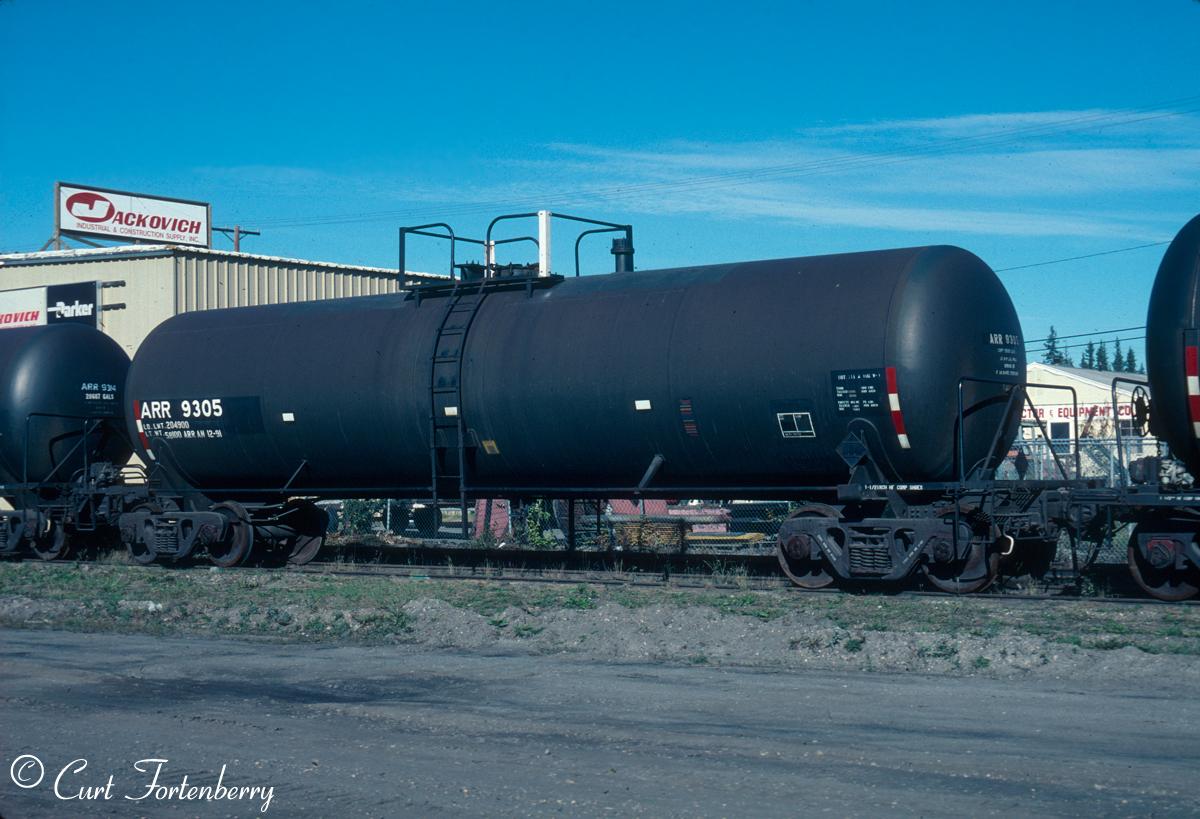
No. 9305
See also
|
|
Click on the pictures
below for
a larger view and additional information.
|
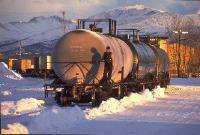 |
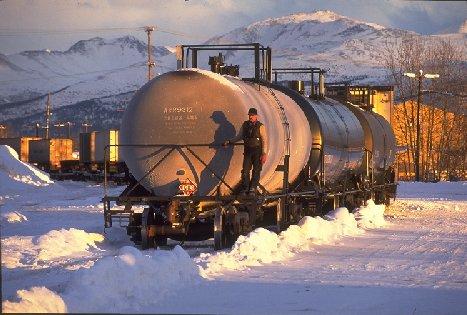
Part of the Anchorage yard crew works tank
cars during the winter. Alaska Railroad moves petroleum products
in tank cars like these from North Pole, near Fairbanks, to Anchorage
every day. |
|
|
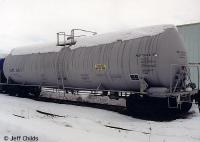
| Tank cars of Type 1 aircraft deicer and
Propylene Gycol. 4/99 |
 |
|
|
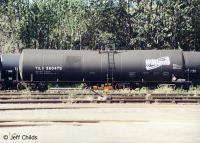 |
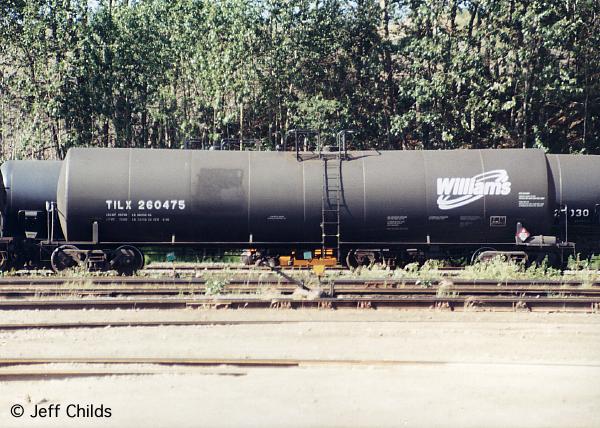
TILX 260475 with Williams logo (Williams
bought MAPCO). 7/99 |
|
|
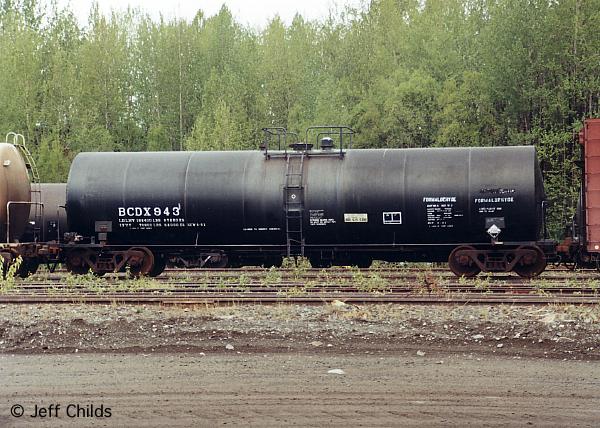
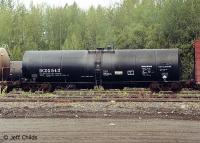
| BCDX 943 - Formaldehyde tank car. 5/26/99 |
 |
|
|
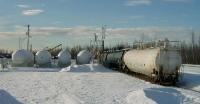 |
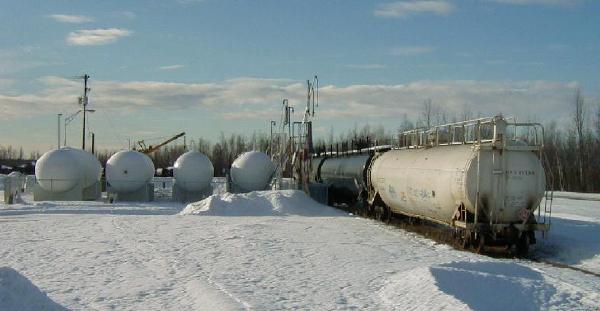
Unloading Liquid Petroleum Gas (LPG). |
|
|
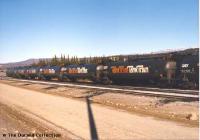
| The TankTrain system
consists of an entire string of cars that can be loaded or unloaded
from a single System connection. |
 |
|
|
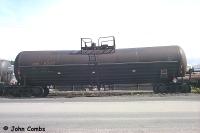 |
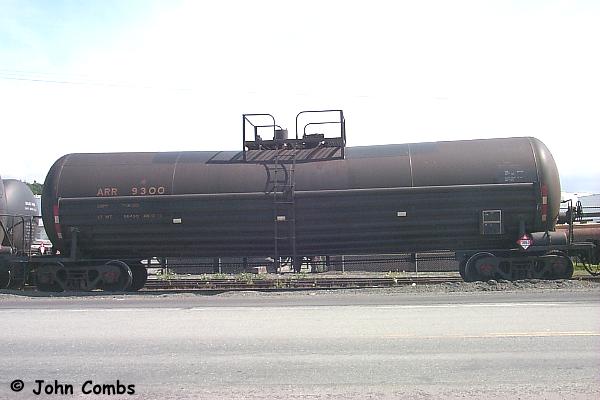
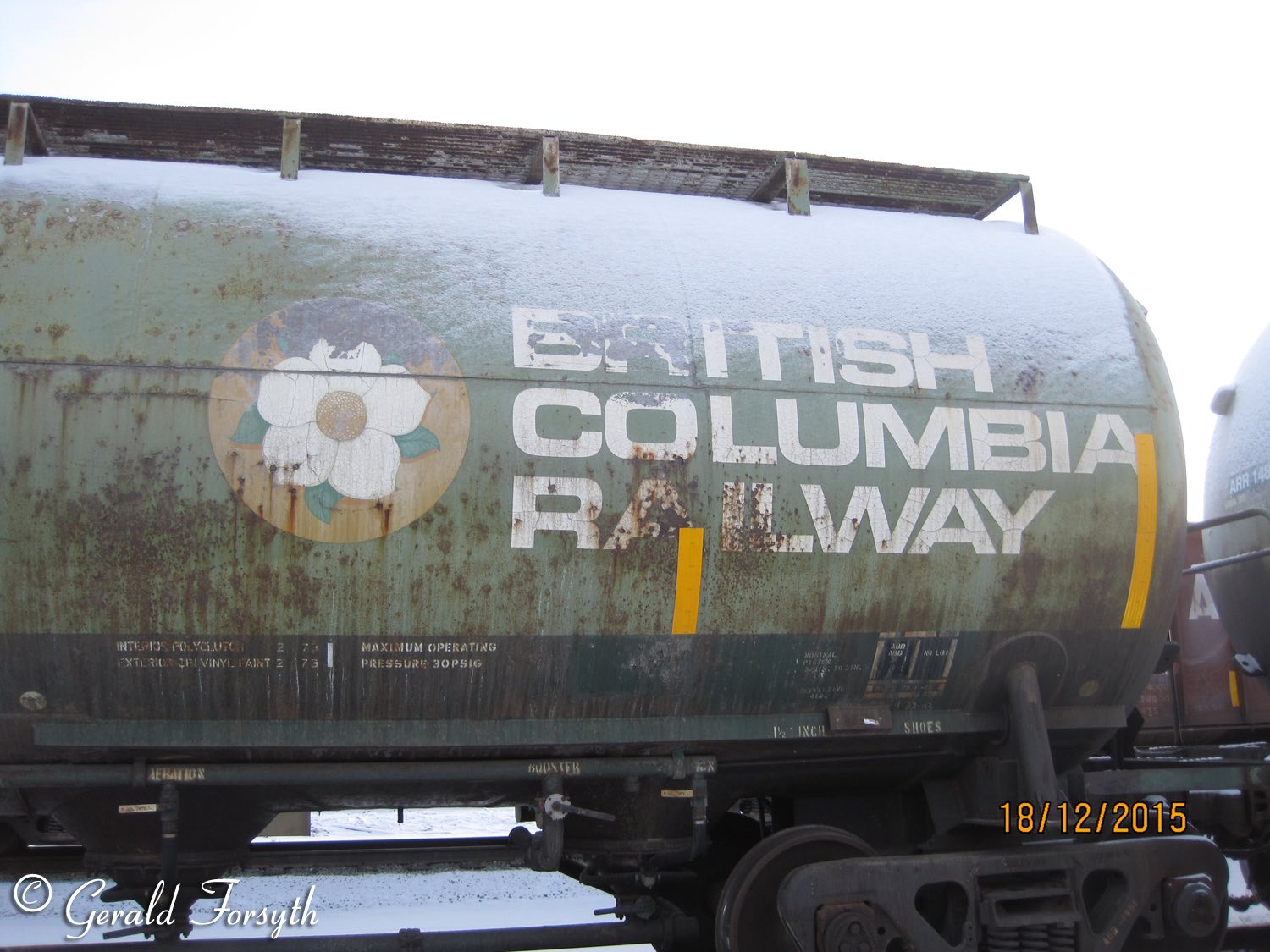
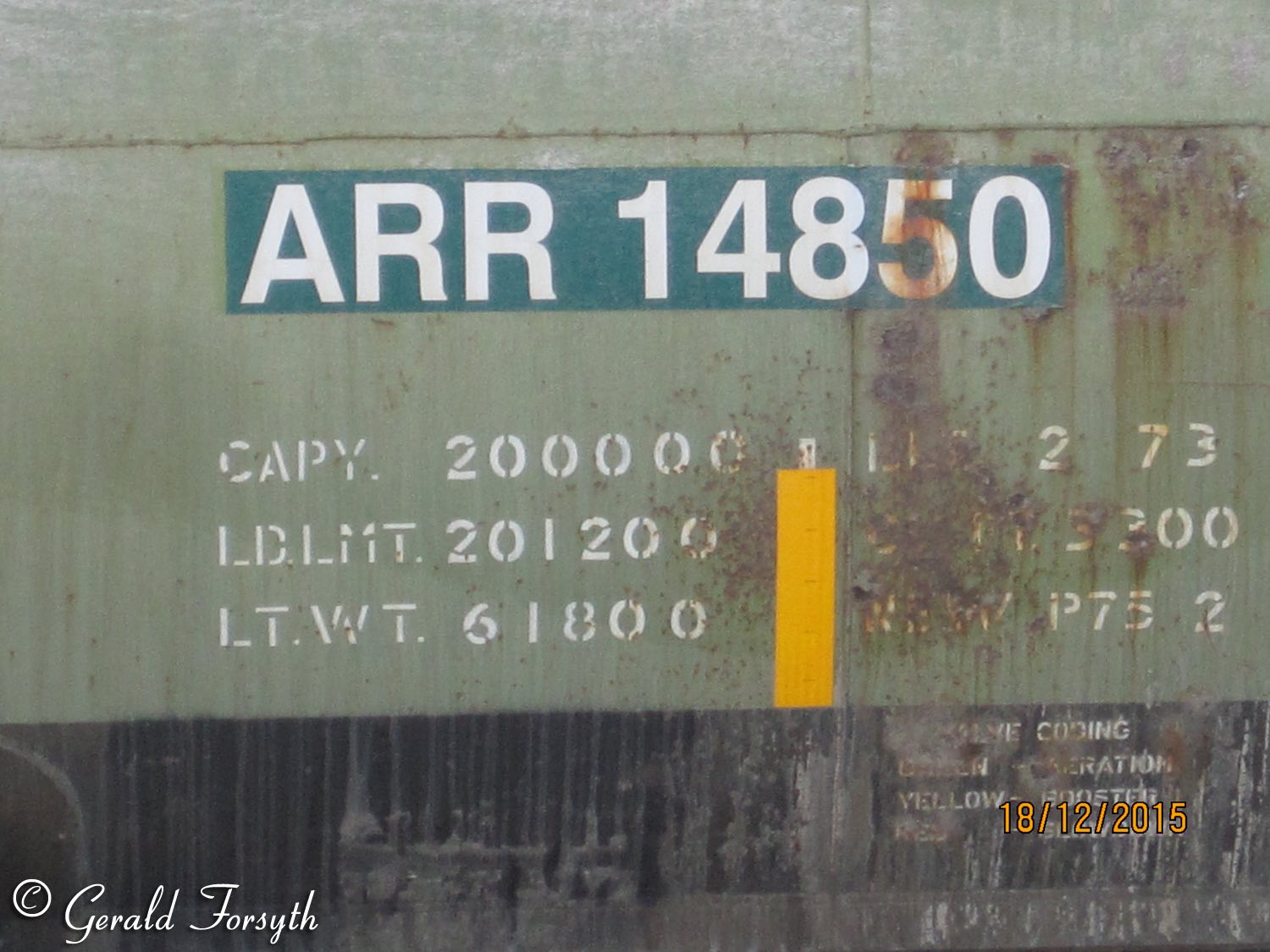
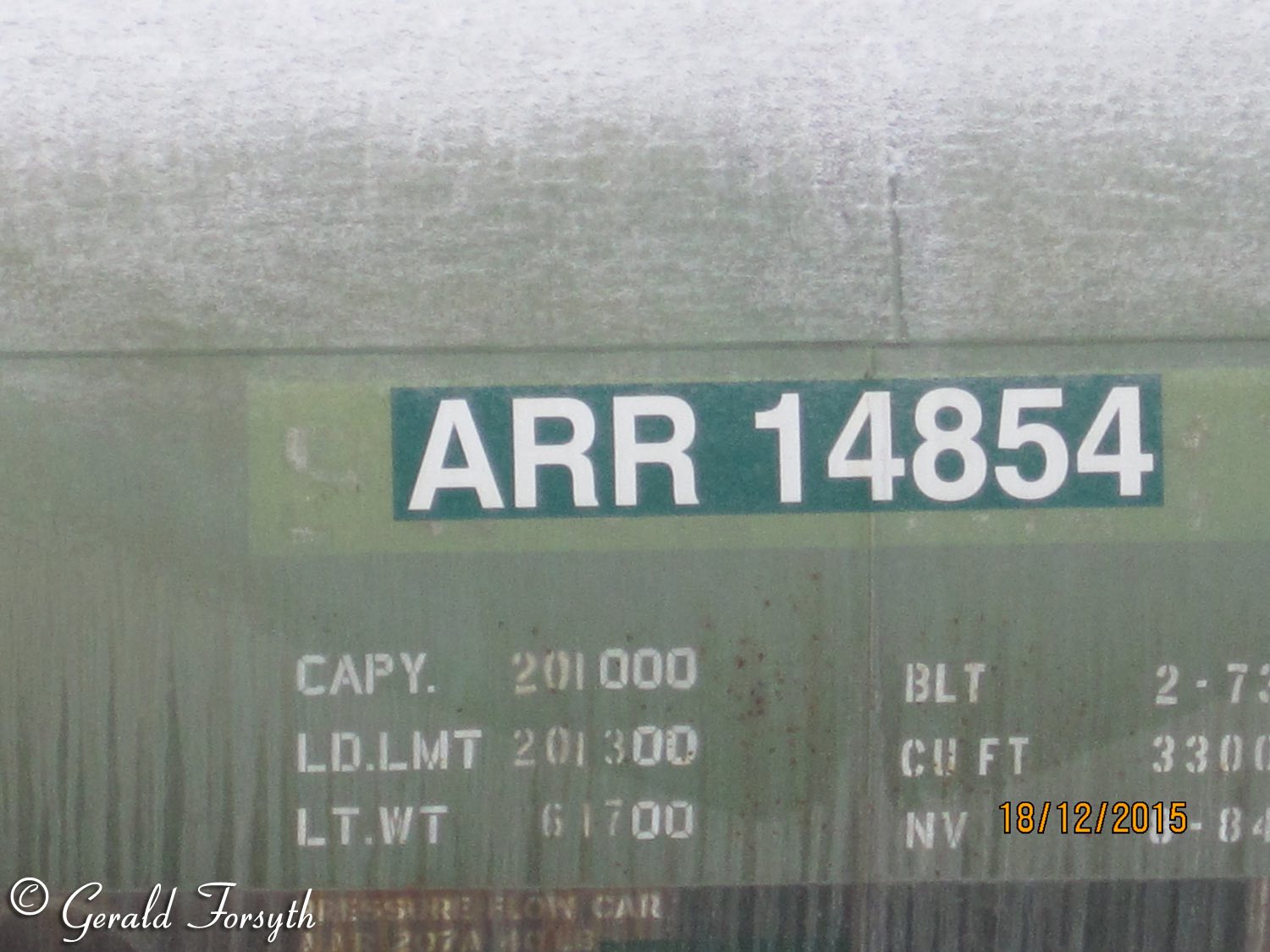
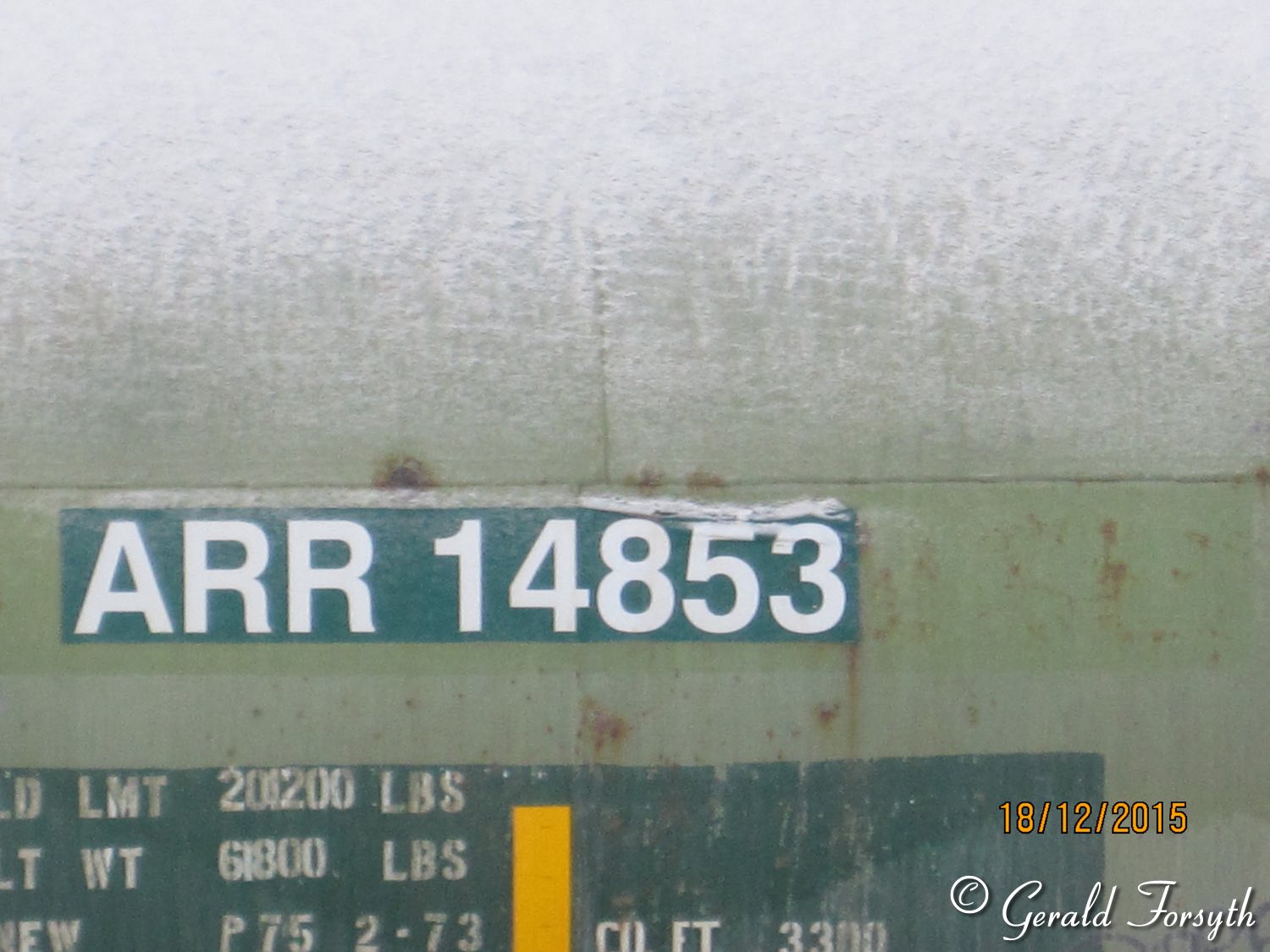
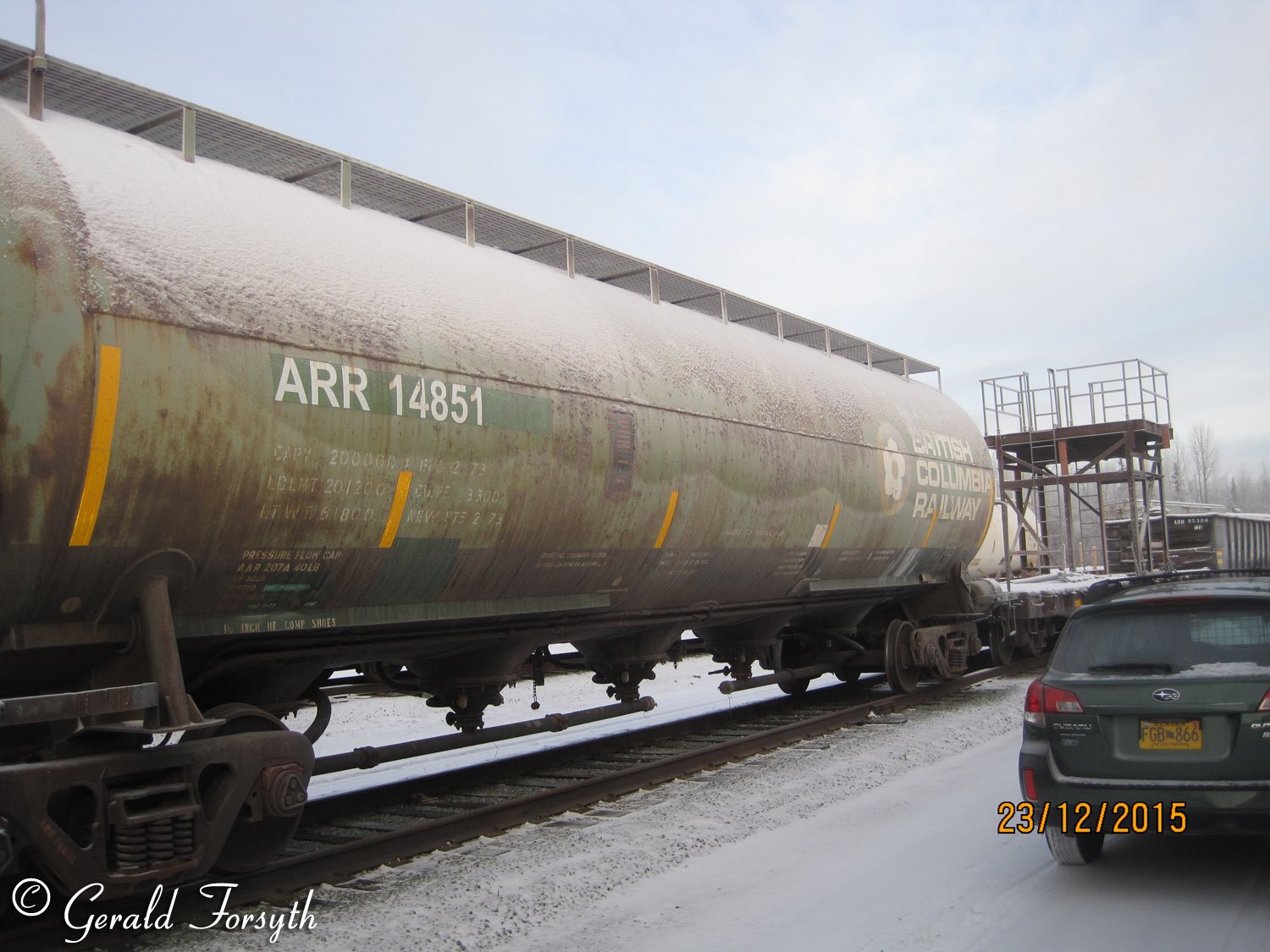
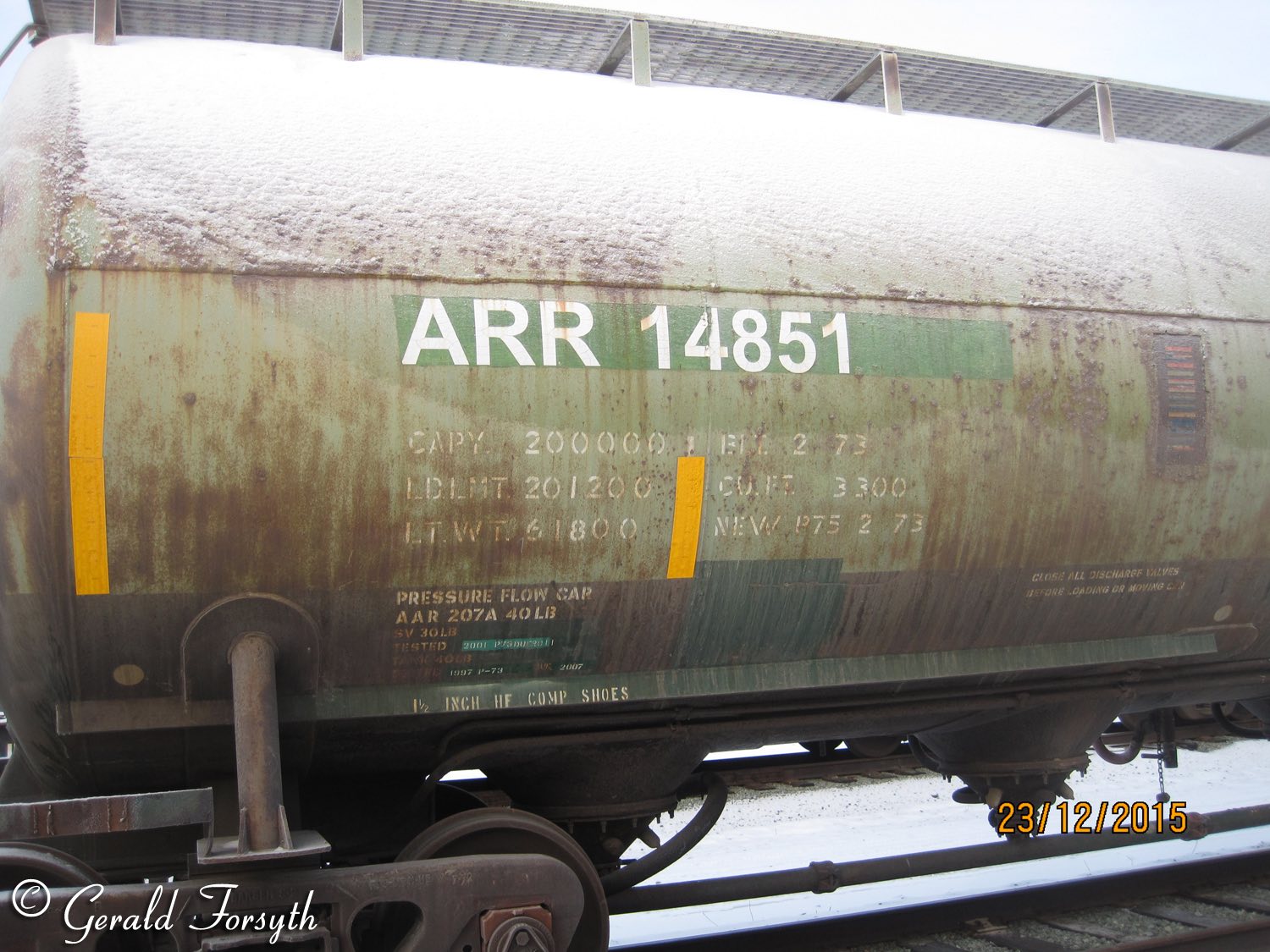
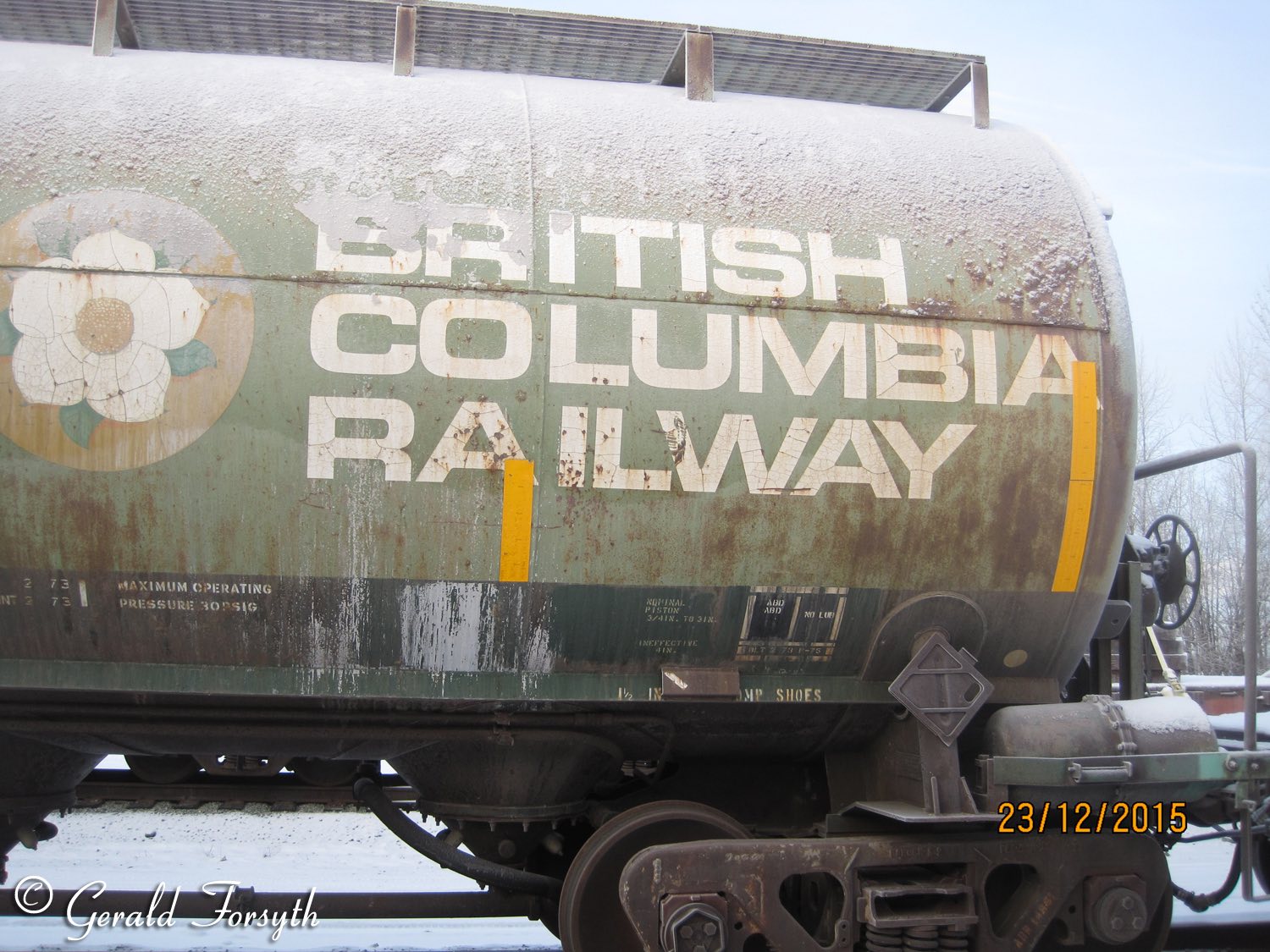
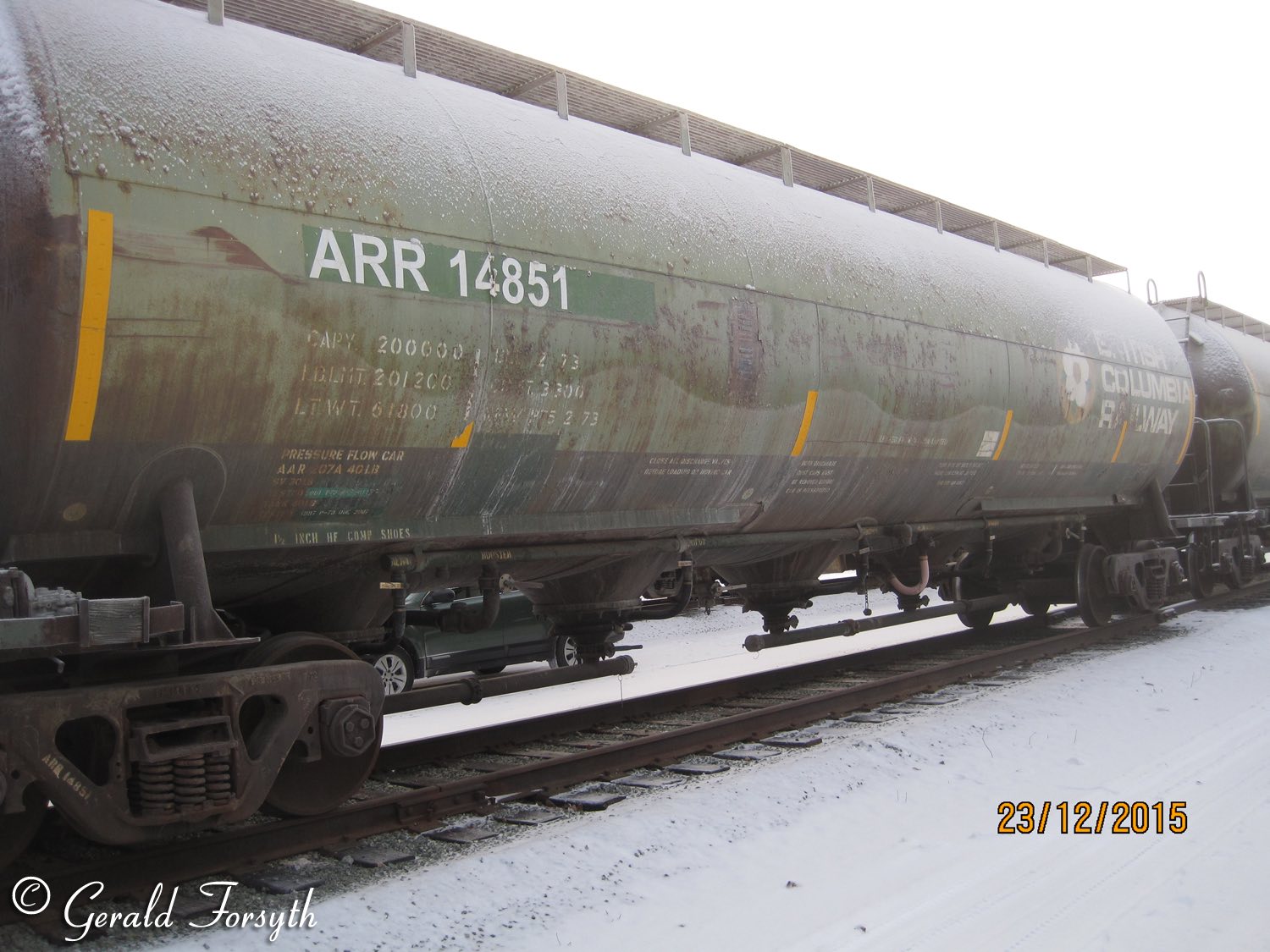
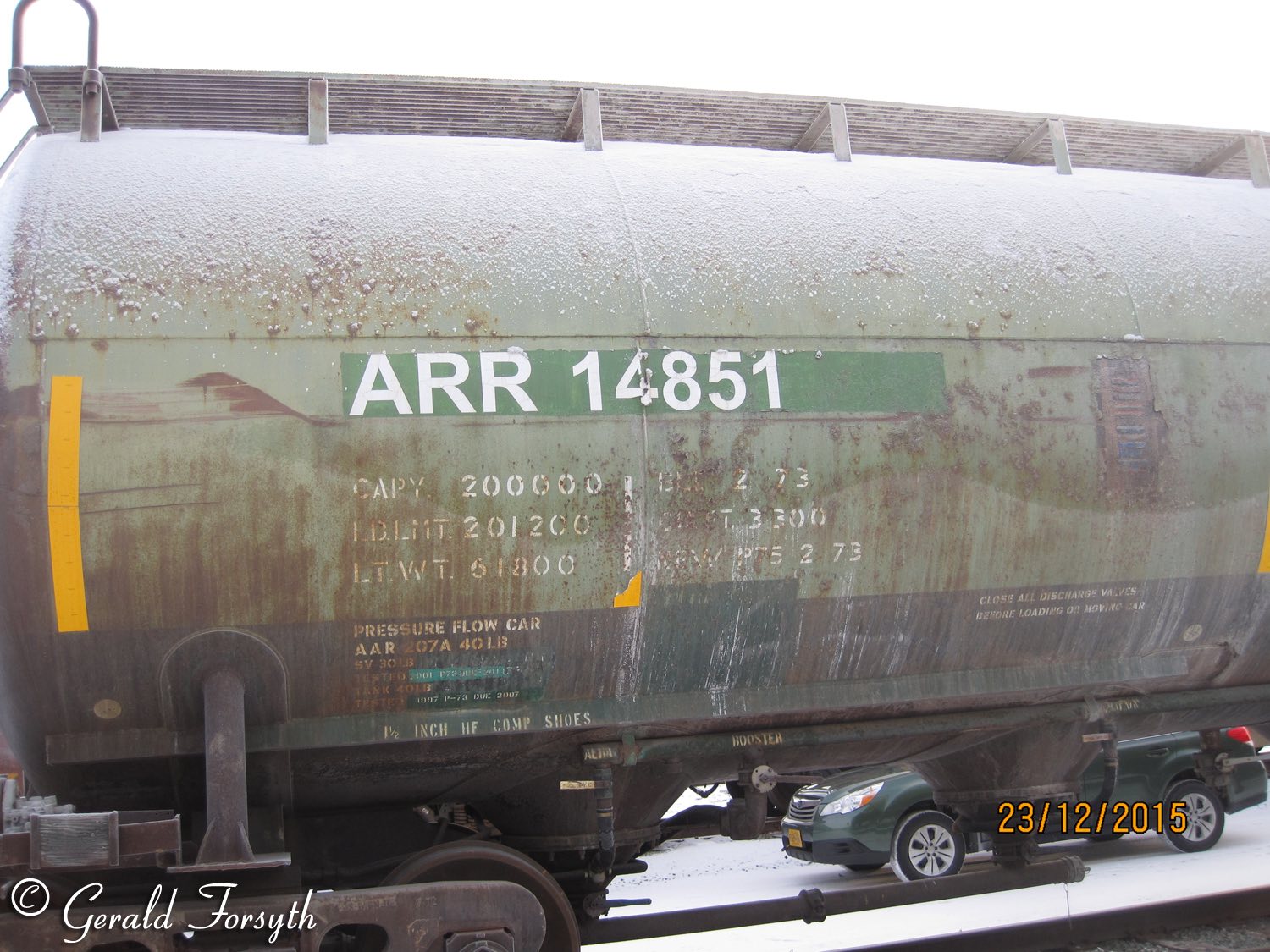
ARR #9300 with special heater coils on the
bottom half of the tank car. The Alaska Railroad owns 29 (9300-9328). They
have a 20,000 gallon capacity and were built in 1972-1974. |
|
|
| A rare acid tank car probably on its way to Brentagg Chemical in Fairbanks along the airport branch. |
 |
|
|
|
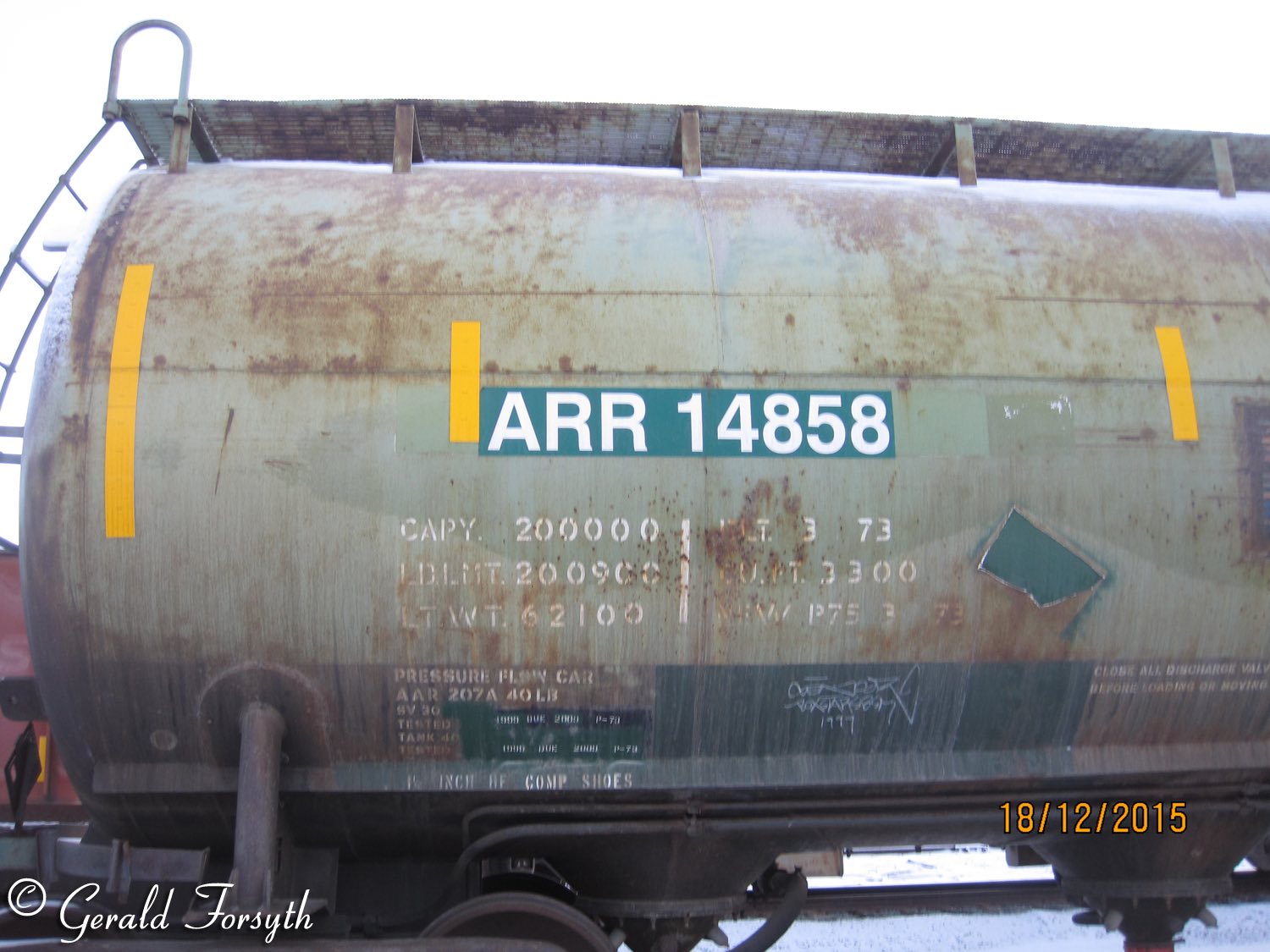
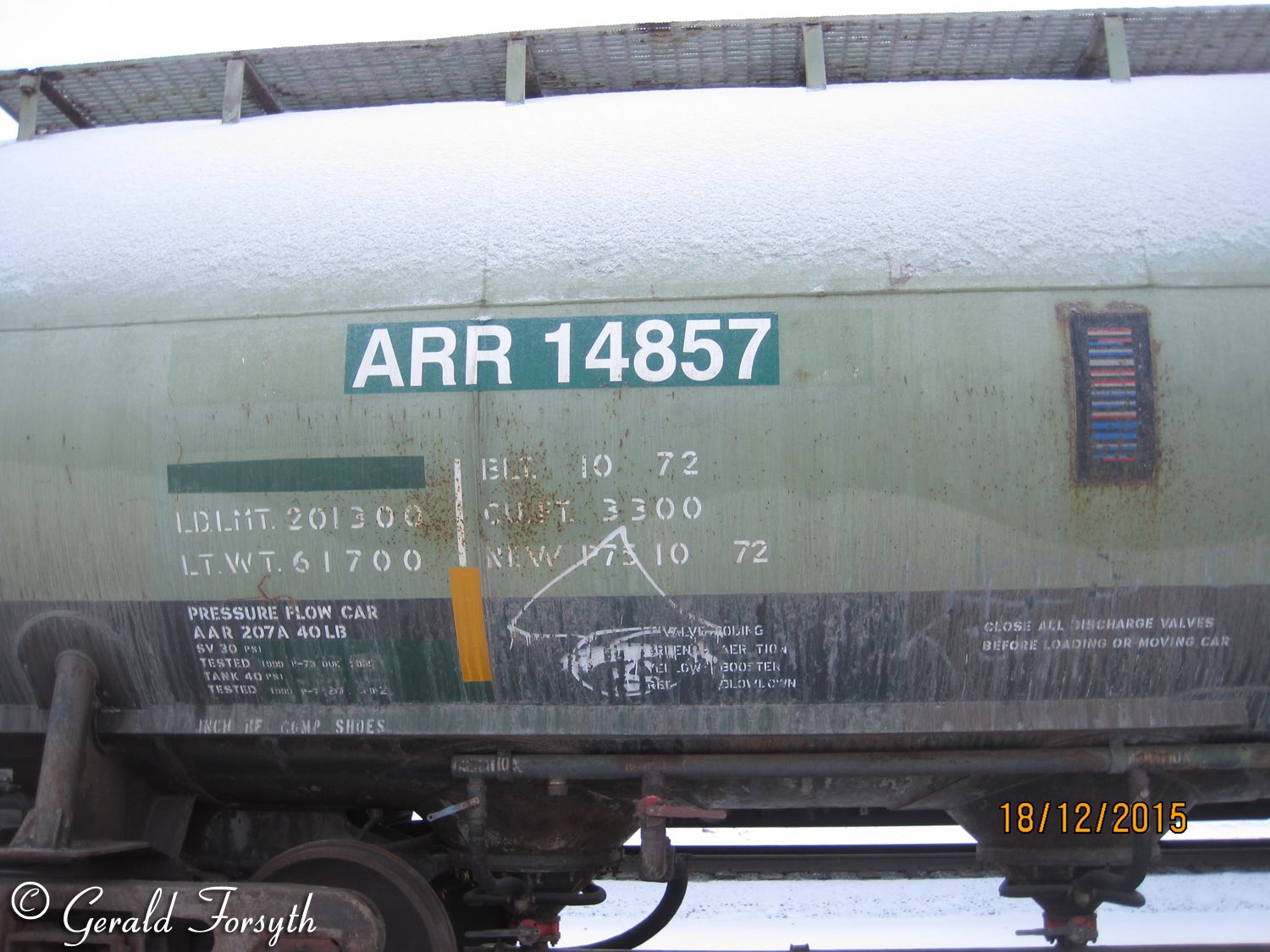
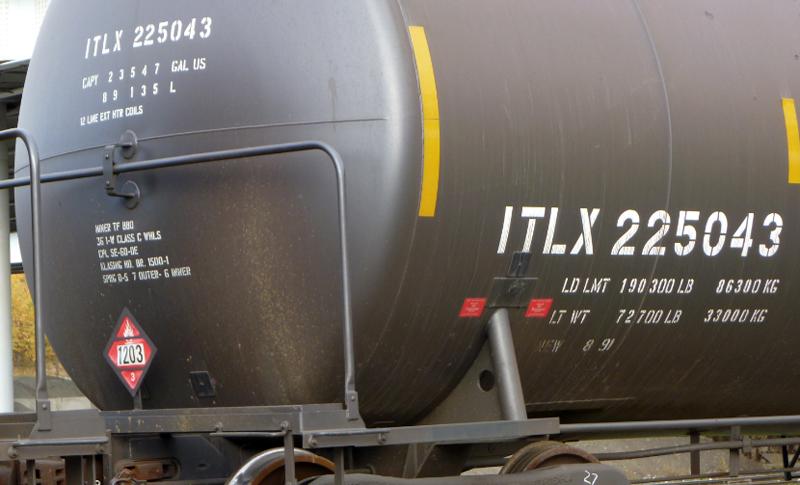
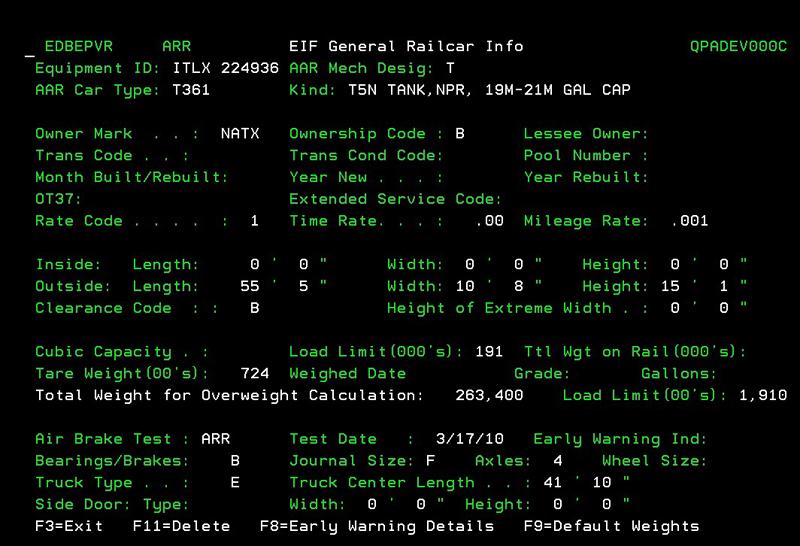
Question: What is the load limit of an ITLX series tank car? (two
photos below are reference)
The ITLX series has a capacity of 23,547 gallons (stenciled
on the tank) and a load limit of 190,300 pounds (same source – only
on the side).
The 20,000 gallons of, say, jet fuel would weigh 6.84 lbs/gallon times
20,000 gallons or 136,800 pounds. This means the actual load is about
53,500 pounds below the car’s load limit. I think.
My question: is the load limit actually that? Just the weight of the
cargo? Or does it include the weight of the car?
Answer: The load limit is the net capacity of the car. Add that to
the tare (light or empty weight) and you get gross weight or the maximum
total weight of the car. |
 |
 |
|